Pan-frying paneer might seem straightforward, but getting that perfect crispy crust is an art I’ve been quietly obsessed with. It’s about more than just heat; it’s about patience, timing, and a good touch of oil to coax out that golden glow. I love how these simple cubes turn into something unexpectedly crave-worthy when fried right.
This recipe isn’t just about making snackable bites; it’s about respecting the humble paneer and elevating it. The act of turning a soft, milky block into a crunchy, savory morsel is oddly satisfying—like giving it a little makeover. Plus, it’s a quick fix for when I need something warm and satisfying in a flash, no fuss involved.
Focusing on the overlooked art of pan-frying paneer for a crispy, golden crust that transforms the texture and flavor, making simple cubes into a crave-worthy snack or side.
The story behind this recipe
I first stumbled upon this way of preparing paneer during a cluttered weekend kitchen spree, when I was craving something crispy but didn’t want to fuss. The simple act of frying those cubes until they crackled and turned a deep, inviting gold reminded me how much joy comes from transforming humble ingredients with just a bit of heat. It’s a recipe born out of necessity and a love for textures that surprise, offering crispy edges against that soft, milky center.
Key ingredients and tips
- Paneer: I prefer homemade or fresh, firm paneer that has a slight squeak when pressed. It crisps up beautifully and holds shape well. You can swap it for firm tofu if you want a vegan version, but the texture will be softer and less milky.
- Oil: I use a neutral oil with a high smoke point like vegetable or canola. It gives that perfect crackle without overpowering the mild paneer flavor. For a richer taste, a splash of ghee works wonders—just watch the heat so it doesn’t burn.
- Cornflour: I toss the cubes in a light coating of cornstarch to get that crispy crust. Rice flour is a good alternative if you want a slightly thinner, crispier finish. Don’t skip this step; it’s the secret to that satisfying crunch.
- Spices: I keep it simple—just a pinch of turmeric and chili powder for a little color and heat. You can amp it up with garam masala or cumin if you like a deeper flavor. The spices should smell fragrant and inviting as you fry.
- Lemon juice: I add a squeeze after frying for a bright, fresh zing that cuts through the richness. Skip it if you prefer a milder flavor, but that splash of acidity really lifts the dish. It should shimmer on the surface, inviting you in.
- Salt: I season the paneer before frying to ensure every bite is flavorful. A little goes a long way; I prefer kosher salt for better control. Taste as you go—salty enough to enhance but not overpower.
- Optional herbs: Fresh cilantro or mint can add a burst of freshness. I sprinkle them right before serving, so they stay vibrant. Feel free to experiment with chopped green chilies for extra heat or a dash of smoked paprika for depth.
Spotlight on key ingredients
Paneer:
- I prefer homemade or fresh, firm paneer that has a slight squeak when pressed. It crisps up beautifully and holds shape well. You can swap it for firm tofu if you want a vegan version, but the texture will be softer and less milky.
- Oil: I use a neutral oil with a high smoke point like vegetable or canola. It gives that perfect crackle without overpowering the mild paneer flavor. For a richer taste, a splash of ghee works wonders—just watch the heat so it doesn’t burn.
Spices:
- Cornflour: I toss the cubes in a light coating of cornstarch to get that crispy crust. Rice flour is a good alternative if you want a slightly thinner, crispier finish. Don’t skip this step; it’s the secret to that satisfying crunch.
- I keep it simple—just a pinch of turmeric and chili powder for a little color and heat. You can amp it up with garam masala or cumin if you like a deeper flavor. The spices should smell fragrant and inviting as you fry.
Notes for ingredient swaps
- Dairy-Free: Swap paneer for firm tofu. It absorbs flavors well but won’t have that milky richness, so consider adding a splash of coconut milk or a sprinkle of nutritional yeast for extra depth.
- Low-Fat: Use low-fat or skim milk paneer if you want less richness. It crisps up just as well, but the flavor is a tad lighter and less creamy.
- Vegan Oil: Replace neutral oil with avocado or light sesame oil for a subtle flavor boost. Just watch the smoke point to avoid burning; these oils add a slight nuttiness.
- Gluten-Free: Cornstarch works perfectly for coating, but rice flour or tapioca starch can be used if you prefer or need a gluten-free option. They yield a similar crispy texture.
- Herbs & Spices: Feel free to experiment with smoked paprika or cumin powder instead of chili or turmeric. It changes the aroma but keeps the crispy, savory vibe.
- Acid: Instead of lemon juice, a splash of apple cider vinegar or a dash of tamarind paste can brighten the flavor. Just add at the end to preserve freshness.
- Additional Crunch: Crushed nuts or seeds sprinkled on top after frying add texture and flavor, especially if you like a bit of crunch in your bites.
Equipment & Tools
- Non-stick or cast-iron skillet: Ensures even heat distribution for crispy paneer.
- Spatula: Turns and lifts the paneer gently.
- Small bowl: For tossing paneer in coating.
- Paper towels: Drains excess oil and keeps paneer crispy.
Step-by-step guide to pan-frying paneer
- Equipment & Tools: Gather a non-stick or cast-iron skillet, a spatula, a small bowl for coating, and paper towels for draining. The skillet ensures even heat, spatula for turning, bowl for coating, towels for crispiness.
- Cut the paneer into 1-inch cubes. Keep them uniform for even frying. Pat dry with paper towels to remove excess moisture—this helps crisp up.
- In a small bowl, toss the cubes with a tablespoon of cornstarch or rice flour. Shake off excess; they should be lightly coated. This creates that satisfying crunch.
- Heat about 2-3 tablespoons of neutral oil (around 180°C/355°F) in your skillet over medium heat. When shimmering, it’s ready for the paneer.
- Carefully add the coated paneer cubes in a single layer. Let them fry undisturbed for 2-3 minutes until the edges turn golden brown. Then, flip gently to cook all sides evenly.
- Step 5a: Continue frying for another 3-4 minutes, adjusting heat if necessary to avoid burning. The cubes should be crispy and deep golden. If they stick, gently loosen with a spatula.
- Step 5b: If the oil starts to crackle loudly or the paneer darkens too quickly, reduce heat. If they’re not crisping, turn up slightly or add a tiny more oil.
- Remove the paneer from the skillet with a slotted spoon. Drain on paper towels to remove excess oil. Check for that crisp, crackly exterior and a soft, milky interior.
- Resting & Finishing: Let the cubes rest for a minute; this helps set the crust. Serve immediately with a squeeze of lemon or your favorite chutney. Garnish with herbs if desired.
- Checkpoints & How to Know It’s Done: The cubes should be golden and crispy all over. The surface should crackle when pressed, and the interior should remain soft and milky. Probe temperature isn’t necessary but aim for 75°C/165°F inside if you’re cautious.
Serve the paneer cubes immediately on a plate, garnished with fresh herbs or a squeeze of lemon. Rest for a minute to let the crust set before diving in.
How to Know It’s Done
- Crispy, golden exterior with crackling sound.
- Even browning on all sides.
- Soft, milky interior remains intact.
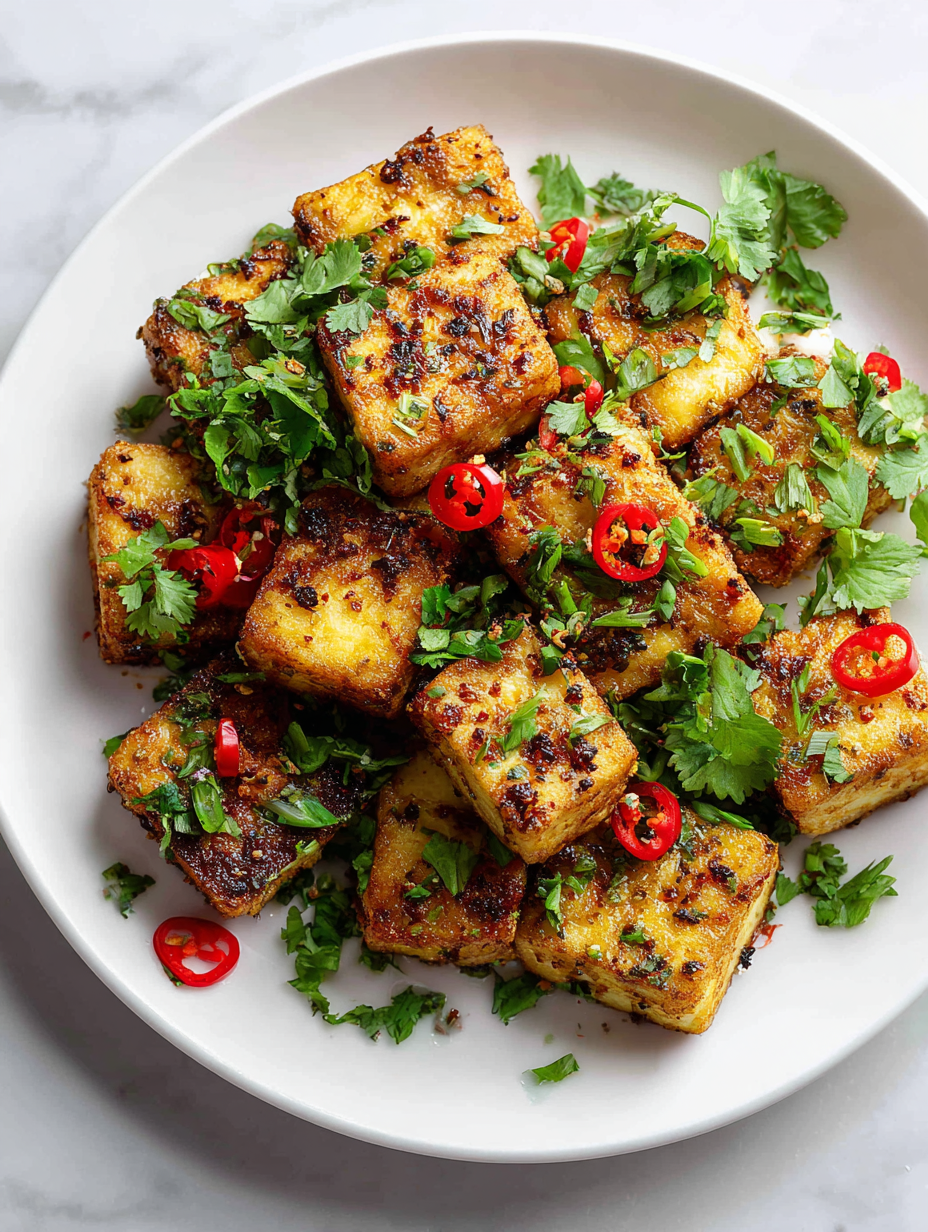
Crispy Pan-Fried Paneer Bites
Ingredients
Equipment
Method
- Pat the paneer cubes dry with paper towels to remove excess moisture, helping them crisp better during frying.
- Place the paneer cubes in a small bowl and sprinkle with a pinch of salt, turmeric, and chili powder, tossing gently to evenly coat all sides.
- Sprinkle the cornstarch over the seasoned paneer and toss again until each piece is evenly coated with a light layer of starch, which will give you that satisfying crunch.
- Heat about 2-3 tablespoons of neutral oil in a skillet over medium heat until shimmering and hot but not smoking, around 180°C (355°F).
- Carefully add the coated paneer cubes in a single layer, making sure not to overcrowd the pan; let them fry undisturbed for 2-3 minutes until the edges start to turn golden.
- Gently flip the paneer cubes with a spatula and continue frying, turning occasionally, until they are evenly golden and crispy on all sides, about 4-5 minutes in total.
- Remove the fried paneer from the skillet with a slotted spoon and place on paper towels to drain excess oil, allowing the crust to set for a minute.
- Once drained, transfer the crispy paneer to a serving dish and squeeze fresh lemon juice over the top for a bright, tangy finish.
- Garnish with chopped herbs like cilantro or mint if desired, and serve immediately to enjoy the contrast of crunchy exterior and soft, milky interior.
Pro tips for crispy paneer
- Use a light coating: Toss the paneer in cornstarch or rice flour just before frying to achieve that crisp, crackly crust.
- Maintain proper oil temp: Keep oil around 180°C/355°F; if it smokes or splatters excessively, lower the heat slightly.
- Avoid overcrowding: Fry in small batches to prevent temperature drops and ensure even crispness on every cube.
- Flip gently: Turn the paneer cubes carefully with a spatula to prevent breaking and to promote uniform browning.
- Rest post-frying: Let the fried paneer sit on paper towels for a minute; this helps set the crust and removes excess oil.
- Add lemon at the end: Squeeze fresh lemon juice immediately after frying for a bright contrast that lifts the richness.
- Experiment with herbs: Garnish with chopped cilantro or mint right before serving to add freshness and color.
Common mistakes and how to fix them
- FORGOT to dry paneer before coating → results in soggy cubes; pat dry thoroughly.
- DUMPED in too much oil → causes splatters; use just enough to cover the bottom.
- OVER-TORCHED the paneer → burns and bitterness; keep heat moderate, watch color closely.
- MISSED the resting step → soggy crust; let the fried cubes rest briefly on paper towels.
Quick fixes and pantry swaps
- If the paneer sticks, splash a few drops of hot oil around the edges to loosen.
- When cubes are soggy, patch with an extra sprinkle of cornstarch before frying.
- Splash some lemon juice if the paneer feels dull or lacks brightness after cooking.
- When oil shimmers faintly, it’s ready—do a quick test with a tiny piece of paneer.
- Shield the pan with a splatter guard if hot oil crackles too loudly or splatters.
Prep, store, and reheat tips
- You can prepare the paneer cubes a day in advance; keep them in an airtight container in the fridge. They stay fresh for up to 24 hours and remain slightly firm, ready to be fried for maximum crunch.
- Store leftover fried paneer in an airtight container in the fridge for up to 2 days. Reheat in a hot skillet over medium heat until crispy again, about 2-3 minutes, until you hear a crackle and see a golden hue.
- For longer storage, freeze the cooked cubes in a single layer on a baking sheet, then transfer to a freezer bag. They keep well for up to a month. Reheat directly from frozen in a hot skillet, adding a splash of oil to revive crispiness.
- Reheating the paneer will soften the crust slightly, but a quick toss in hot oil will bring back some of that crispy texture. Expect a slight change in aroma—less freshly fried but still flavorful and satisfying.
Paneer Cubes Recipe FAQs
1. Can I use store-bought paneer?
Use firm or homemade paneer for the best texture. Softer paneer may fall apart during frying.
2. Can I fry uncoated paneer?
Yes, you can skip the coating, but the crispy crust won’t form. It’ll be softer and less crackly.
3. How hot should the oil be?
Keep oil around 180°C/355°F. Too hot and it burns; too cool and it won’t crisp properly.
4. How many cubes should I fry at once?
Fry in small batches to prevent the temperature from dropping. This keeps the crust crispy and even.
5. How do I keep the paneer crispy after frying?
Drain fried paneer on paper towels immediately to remove excess oil and help the crust set.
6. When should I add lemon juice?
Add lemon juice right after frying to give a fresh, bright contrast that enhances flavor.
7. What if the paneer sticks to the pan?
If the paneer sticks, splash a few drops of hot oil around the edges to loosen it.
8. How should I handle the paneer during frying?
Use a slotted spoon to turn and remove paneer gently to prevent breaking the crust.
9. Can I reheat fried paneer?
Reheat in a hot skillet for 2-3 minutes until crispy again, adding a splash of oil if needed.
10. How long can I store leftovers?
Yes, you can freeze cooked paneer for up to a month. Reheat directly from frozen for best results.
Frying paneer might seem simple, but it’s a small act of patience that really pays off. The crackling crust, the soft center—those moments are what keep me coming back to this recipe. It’s a quick, honest way to turn humble ingredients into something more satisfying.
In a world full of instant snacks, this one feels grounding. It reminds me that good things happen when you pay attention to the simple stuff, like a perfect golden crust and a hint of lemon brightness. Sometimes, the best bites are the ones made with care and a little bit of heat.