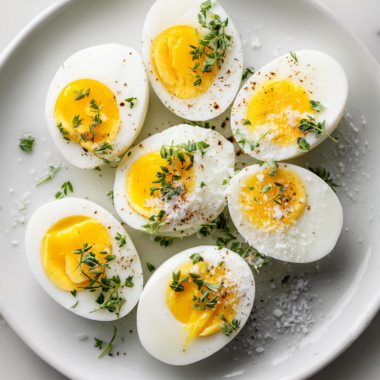
Deviled eggs are one of those dishes that seem simple but can be so much more with a little creative twist. I love playing with unexpected ingredients—think smoked paprika, pomegranate seeds, or even a dash of hot honey—to make each batch a small, edible surprise. It’s a dish that invites experimentation and sparks conversation, even among the most traditional eaters.
What really gets me about deviled eggs is their visual impact. A few vibrant herbs, a sprinkle of colorful spices, or a drizzle of bold sauces can turn a humble appetizer into a real centerpiece. Plus, they’re perfect for making ahead, which means I can focus on the presentation and flavor without the last-minute rush. It’s about elevating a classic, one little detail at a time.
Focusing on how to make deviled eggs that are not just creamy and flavorful but also visually striking, using unexpected ingredients and vibrant presentation techniques to turn a classic appetizer into a conversation starter at any gathering.
The story behind this recipe
- This recipe came from a lazy summer afternoon when I found myself with a dozen eggs and a craving for something both familiar and a little bit fancy. I wanted to make deviled eggs that felt like they had a secret ingredient—something unexpected but simple enough to keep the heart of the dish intact. It’s become my go-to for gatherings when I want to impress without fuss.
- I remember my grandmother’s old recipe, which was straightforward, but I started experimenting with flavors and textures. One day, I added a touch of curry powder, and the vibrant yellow filling suddenly felt alive. Since then, it’s been a quest to balance tradition with a splash of my own chaos and curiosity.
- heading: The story behind this recipe
Ingredient breakdown: key components
- Eggs: I prefer large, fresh eggs—they peel easier and have that firm, creamy yolk that makes filling smoother. If yours stick, give them a quick ice bath; it helps loosen the shell.
- Mayonnaise: I use full-fat mayonnaise for richness—nothing beats that velvety texture. For a lighter version, swap half with Greek yogurt, but expect a slightly tangier punch.
- Dijon Mustard: The zing here adds depth, but if you want a milder flavor, reduce it or try a honey mustard for a subtle sweetness and smooth heat.
- Vinegar: A splash of apple cider vinegar brightens everything, especially if your eggs are on the bland side. Skip if you prefer a more mellow taste, but don’t skip the acid, it’s key.
- Spices & Fillers: I love smoked paprika for that smoky pop, but you can swap it for chili powder or turmeric for different hues and warmth. A pinch of hot sauce can turn up the heat—use sparingly to avoid overpowering.
- Garnishes: Fresh herbs like chives or dill add a crisp, fragrant finish. For color, a sprinkle of paprika or a few pomegranate seeds works beautifully—think vibrant, juicy bites.
- Optional Add-ins: A touch of crispy bacon crumbles or a dash of curry powder can make your deviled eggs stand out. Just remember, less is more—let the main flavors shine.
Spotlight on key ingredients
Eggs:
- I prefer large, fresh eggs—they peel easier and have that firm, creamy yolk that makes filling smoother. If yours stick, give them a quick ice bath; it helps loosen the shell.
- Mayonnaise: I use full-fat mayonnaise for richness—nothing beats that velvety texture. For a lighter version, swap half with Greek yogurt, but expect a slightly tangier punch.
Mustard & Vinegar:
- Dijon Mustard: The zing here adds depth, but if you want a milder flavor, reduce it or try a honey mustard for a subtle sweetness and smooth heat.
- Vinegar: A splash of apple cider vinegar brightens everything, especially if your eggs are on the bland side. Skip if you prefer a more mellow taste, but don’t skip the acid, it’s key.
Notes for ingredient swaps
- Dairy-Free: Swap mayonnaise for mashed avocado or silken tofu. Expect a slightly greener, creamier texture with a subtle nutty flavor.
- Vegan: Use vegan mayo or blended cashews for richness. These will add a different, yet satisfying, creaminess and a mild nutty taste.
- Mustard: Honey mustard can replace Dijon for a sweeter, milder heat. It alters the sharpness but adds a nice touch of sweetness.
- Vinegar: Lemon juice can be a bright substitute for apple cider vinegar, offering a fresh, citrusy zing that lifts the filling.
- Spices & Garnishes: Smoked paprika can be swapped for chili powder or turmeric for warmer hues and smoky or earthy notes. Fresh herbs like basil or cilantro can replace chives or dill for a different aromatic profile.
- Eggs: If eggs are hard to find, try using deviled egg-inspired molds made from other proteins like tofu or even small roasted vegetables for a vegetarian twist.
- Add-ins: Crispy bacon crumbles can be replaced with toasted nuts or seeds for crunch, maintaining texture without meat.
Equipment & Tools
- Saucepan: Cook eggs evenly and gently.
- Slotted spoon: Transfer eggs to ice bath without cracking.
- Ice bath: Stop cooking and cool eggs quickly.
- Sharp knife: Slice eggs cleanly in half.
- Fork or piping bag: Mash yolks and fill eggs neatly.
- Small spoon or piping tip: Fill egg whites precisely.
Step-by-step guide to deviled eggs
- Gather your eggs and arrange them in a single layer in a saucepan. Cover with cold water, about 2.5 cm above eggs. Bring to a gentle boil over medium-high heat (~100°C / 212°F).
- Once boiling, turn off the heat, cover the pan, and let sit for 10 minutes. Meanwhile, prepare an ice bath with cold water and ice.
- After the eggs have cooked, use a slotted spoon to transfer them to the ice bath. Chill for at least 15 minutes until fully cooled and firm to the touch.
- Peel the eggs carefully; tap each egg gently on the counter and peel under running cold water to avoid tearing the whites. Pat dry.
- Slice each egg in half lengthwise with a sharp knife. Gently remove yolks into a mixing bowl, being careful to keep the whites intact.
- Mash the yolks with a fork until smooth. Add ¼ cup mayonnaise, 1 tsp Dijon mustard, 1 tsp apple cider vinegar, and a pinch of smoked paprika. Mix until creamy. Adjust seasoning to taste.
- Using a small spoon or piping bag, fill each egg white with the yolk mixture. For a neat presentation, pipe or carefully spoon the filling.
- Garnish with finely chopped chives, a sprinkle of paprika, or a few pomegranate seeds for color and texture. Serve immediately or refrigerate.
- To serve later, cover with plastic wrap and chill for up to 2 hours. Let sit at room temperature 10 minutes before serving to refresh flavors.
Chill filled deviled eggs covered with plastic wrap for up to 2 hours. Serve at room temperature for best flavor and texture, garnished as desired for visual pop.
How to Know It’s Done
- Egg whites are firm and hold shape when filled.
- Yolk filling is smooth, creamy, and well-seasoned.
- Garnishes are vibrant and fresh, not wilted or soggy.
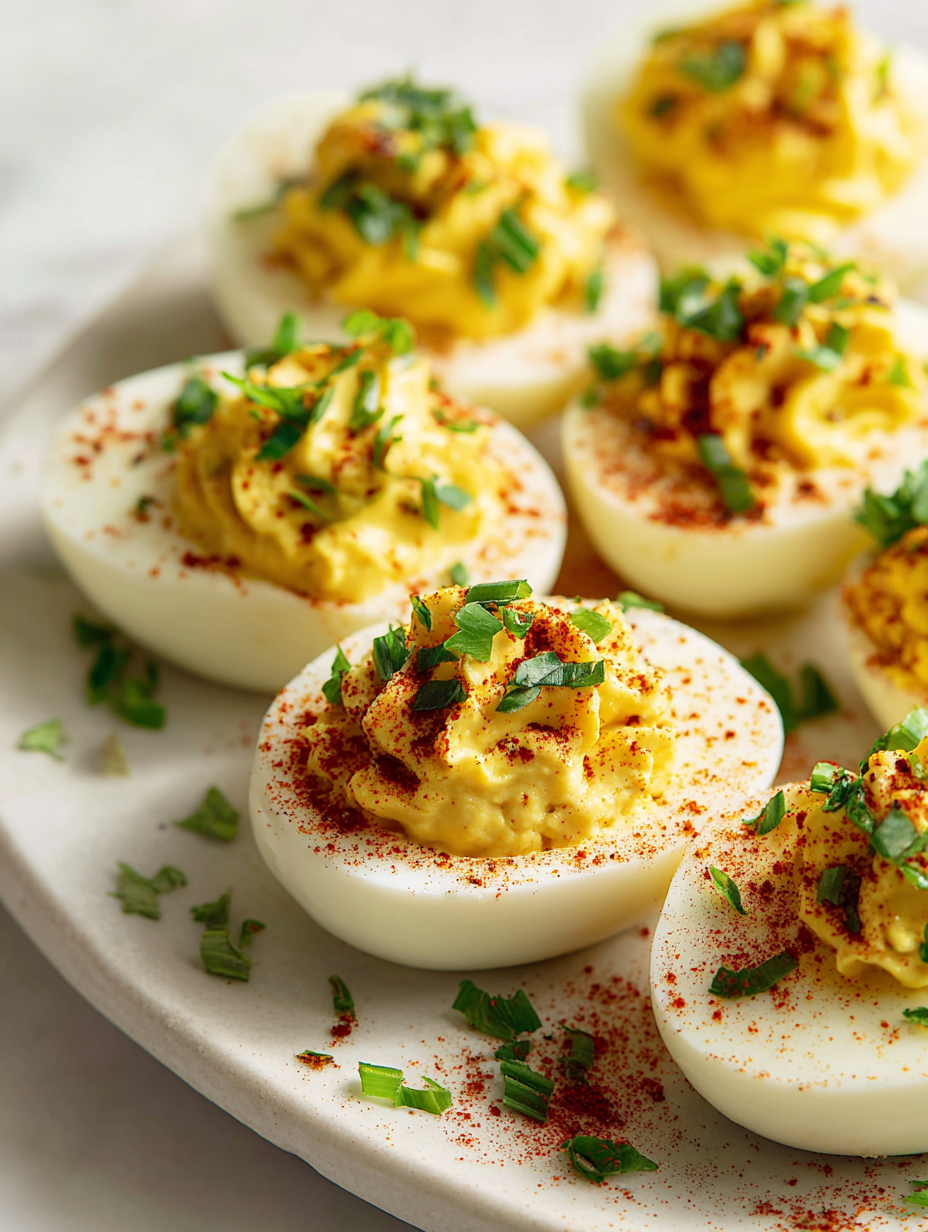
Vibrant Spiced Deviled Eggs
Ingredients
Equipment
Method
- Place the eggs in a saucepan and cover with cold water, about 2.5 cm above the eggs. Bring to a gentle boil over medium-high heat, listening for a soft bubbling sound.
- Once boiling, turn off the heat, cover the pan, and let the eggs sit undisturbed for 10 minutes. This ensures even cooking and prevents overcooking.
- Meanwhile, prepare an ice bath with cold water and ice in a large bowl. Once the eggs are done, use a slotted spoon to transfer them into the ice bath to cool rapidly, which helps with peeling.
- Allow the eggs to chill for at least 15 minutes until they are completely cooled and firm to the touch. Gently tap each egg on a soft surface to crack the shell lightly.
- Peel the eggs carefully under cold running water to avoid tearing the whites. Pat them dry with a paper towel once peeled.
- Slice each egg in half lengthwise with a sharp knife, then gently remove the yolks into a mixing bowl, keeping the whites intact.
- Mash the yolks thoroughly with a fork until smooth and creamy. Add mayonnaise, Dijon mustard, apple cider vinegar, and smoked paprika, then stir until well combined and shiny.
- Use a small spoon or a piping bag fitted with a tip to fill each egg white with the yolk mixture, creating a smooth, rounded top.
- Garnish each filled egg with finely chopped chives or dill, and sprinkle with pomegranate seeds for a pop of color and texture.
- Serve immediately or refrigerate covered with plastic wrap for up to 2 hours. Let sit at room temperature for 10 minutes before serving to enhance flavor.
Pro tips for perfect deviled eggs
- Use a piping bag for neater filling and a more professional look.
- Chill the eggs thoroughly before slicing and filling to prevent crumbling.
- Tap eggs gently on a soft surface to crack the shell, then peel under cold water.
- Mix yolks thoroughly until smooth and without lumps, for a creamy texture.
- Add a splash of vinegar to the water while boiling eggs to make peeling easier.
- Garnish with fresh herbs or colorful spices just before serving for visual impact.
- Use a small offset spatula or the back of a spoon to fill eggs evenly and cleanly.
Common mistakes and how to fix them
- FORGOT to peel eggs carefully → Use cold water to ease peeling, preventing tearing.
- DUMPED filling too quickly → Pipe instead of spoon for cleaner, more controlled filling.
- OVER-TORCHED yolks → Keep filling chilled; overcooking causes rubbery texture.
- MISSED flavor balance → Adjust seasoning last; taste and tweak for perfect flavor.
Quick fixes and pantry swaps
- If eggs are hard to peel → Splash with cold water and gently peel for smooth whites.
- When filling looks uneven → Patch with a small spoon or piping bag for cleaner presentation.
- If yolks turn rubbery → Rescue by chilling the yolk mixture before piping, keep it smooth.
- When flavors are flat → Adjust seasoning last, add a splash of vinegar or more mustard for punch.
- Splash with hot sauce or smoky paprika → For an extra kick and vibrant color in seconds.
Prep, store, and reheat tips
- Peel and prepare eggs a day in advance. Keep them covered in the fridge for up to 24 hours, maintaining their firm texture and fresh aroma.
- Prepare the yolk filling ahead of time; store in an airtight container for up to 2 days. Give it a quick stir and taste before piping to keep the flavor lively.
- Assemble and fill the eggs just before serving. If made earlier, cover with plastic wrap and refrigerate for no more than 2 hours to prevent drying out.
- Refrigerated deviled eggs retain their flavor and texture for a day or two, but the filling may lose some creaminess. Let sit at room temp for 10 minutes before serving for optimal taste.
- For reheating, avoid warming the eggs directly. Instead, serve cold or at room temperature to keep the delicate whites and creamy filling intact.
Top questions about deviled eggs
1. How do I make peeling easier?
Use eggs that are at least a week old; they peel more easily and hold their shape better when boiled.
2. How long should I chill the eggs?
Chill the eggs after boiling for at least 15 minutes in an ice bath; this helps loosen the shell.
3. How do I get a smooth filling?
Mix the yolks thoroughly until smooth and creamy to avoid lumps in your filling.
4. When should I season the filling?
Adjust the seasoning last; taste the filling and add more mustard, vinegar, or salt as needed.
5. When should I add garnishes?
Garnish just before serving with fresh herbs or spices to keep them vibrant and crisp.
6. How can I fill the eggs more precisely?
Use a piping bag or a small spoon to fill the egg whites neatly and evenly.
7. Can I make deviled eggs ahead of time?
Prepare the filling a day ahead and refrigerate; assemble the eggs just before serving to keep them fresh.
8. How long do deviled eggs last in the fridge?
Store filled eggs covered in plastic wrap in the fridge for up to 2 days; let sit at room temp briefly before serving.
9. What if my filling is too stiff?
If the yolk mixture is too thick, stir in a little more mayonnaise or vinegar for creaminess.
10. How can I add more flavor or spice?
For a spicy kick, add a dash of hot sauce or smoked paprika to the filling or garnish.
These deviled eggs aren’t just about tradition; they’re about surprising your senses with unexpected flavors and vibrant visuals. They’re perfect for when you want a quick, impressive snack that sparks conversation and brings a little chaos to the table.
Once you get the hang of customizing the filling and presentation, they become a canvas for your creativity. No matter the occasion, these eggs will make you think twice before reaching for the same old platter again.