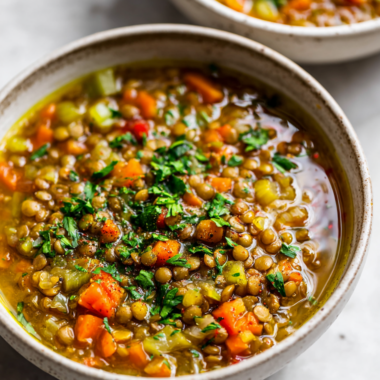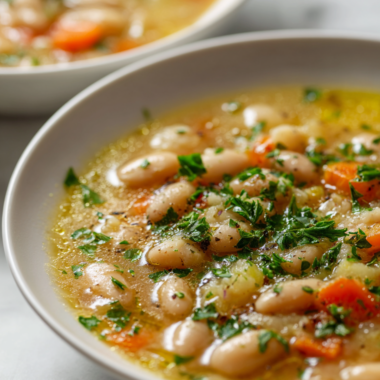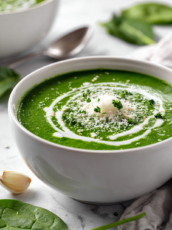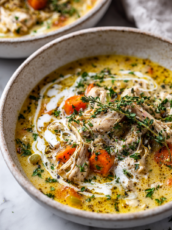
Using this crockpot split pea soup as a way to reconnect with my childhood kitchen brings a sense of comfort I didn’t realize I was craving. It’s one of those recipes that feels like a warm hug on a chilly day, with the aroma of smoky ham and tender peas filling the house. There’s something honest about letting the slow cooker do its magic while I go about my day.
This recipe isn’t just about making soup; it’s about reclaiming those simple, hearty meals that gathered everyone around the table long before fancy ingredients or complicated techniques. It’s chaos in the kitchen sometimes, but the smell and taste make it all worth it. I love how a humble bowl of split pea soup can stir up memories of family dinners, laughter, and quiet moments of satisfaction.
Using this crockpot recipe as a way to reconnect with my childhood kitchen, where simple, hearty meals like split pea soup brought everyone together after long days.
The story behind this recipe
- This recipe was born out of my love for those lazy Sunday afternoons at my grandma’s house, where she’d toss everything into her slow cooker and let it bubble away. I remember the smell of smoky ham and earthy peas blending into the air, filling the whole kitchen with warmth. It’s funny how a simple pot of soup can carry the weight of childhood memories, the kind that make you smile without really knowing why.
- I started making this when I needed something honest, filling, and easy to throw together after a long day. It’s become a little ritual—set it, forget it, then spoon out a bowl that tastes like a hug from the past. No fuss, just good, familiar flavors that remind me of home, even if I’m miles away now.
- heading:
Ingredient breakdown: key components
- Split peas: I love the earthy aroma they develop as they cook into a silky, oozy consistency. If you prefer a chunkier texture, reduce the cooking time slightly.
- Ham hock or smoked ham: The smoky, savory depth is what makes this soup truly comforting. Skip it for a vegetarian version, but consider a dash of smoked paprika for that smoky punch.
- Carrots and onions: Their gentle sweetness balances the earthiness of the peas. Use yellow or white onions for milder flavor, or a splash of apple cider vinegar at the end for brightness.
- Garlic: I always toss in extra cloves because the aroma of roasted garlic wafting through the house is worth it. If you’re sensitive, halve the amount or sauté it first for a milder note.
- Vegetable broth: I prefer homemade or low-sodium store-bought. For a richer taste, add a splash of white wine or a teaspoon of miso to boost umami.
- Seasonings: Salt, pepper, and a bay leaf are my staples, but a pinch of thyme or smoked paprika can add depth. Always taste before serving—peas can be forgiving but need balancing.
- Optional add-ins: A squeeze of lemon juice brightens the whole bowl, especially if the peas turn out a bit dull. Fresh herbs like parsley or thyme finish it off with a fresh, fragrant note.
Spotlight on key ingredients
Split peas:
- I love the earthy aroma they develop as they cook into a silky, oozy consistency. If you prefer a chunkier texture, reduce the cooking time slightly.
- Ham hock or smoked ham: The smoky, savory depth is what makes this soup truly comforting. Skip it for a vegetarian version, but consider a dash of smoked paprika for that smoky punch.
Ham hock and vegetables:
- Ham hock: The smoky, savory depth it imparts is what makes this soup memorable. Watch for the aroma of roasted meat and the tender, falling-apart texture when cooked just right.
- Carrots and onions: Their gentle sweetness and aroma balance the earthiness of the peas. During cooking, they soften into a fragrant, slightly caramelized base that anchors the soup.
Notes for ingredient swaps
- Broth: Use chicken or beef broth instead of vegetable for a richer, meatier flavor. Vegetable broth keeps it light and vegetarian.
- Ham hock: Substitute with smoked turkey leg or omit entirely for a vegetarian version. Add a splash of smoked paprika for smoky depth.
- Split peas: Green or yellow split peas work interchangeably. If you can’t find them, try canned yellow split peas for quicker cooking.
- Vegetables: Carrots and onions can be swapped with parsnips or leeks for a different sweet note. Use frozen if fresh isn’t available.
- Seasonings: Bay leaf and pepper are staples, but try a pinch of thyme or smoked paprika for extra complexity. Always taste before serving.
- Oil: Olive oil adds a mild fruitiness, but butter or bacon fat can deepen the smoky, savory profile. Use sparingly.
- Lemon juice: Adds brightness. Lime juice or a dash of vinegar can work as alternatives to enhance the flavor if lemon isn’t on hand.
Equipment & Tools
- Slow cooker: Main cooking vessel for slow, even simmering.
- Skillet: Sauté vegetables and garlic for flavor extraction.
- Knife: Chop vegetables and prep ingredients.
- Cutting board: Provide a safe surface for chopping.
- Ladle: Serve the finished soup.
Step-by-step guide to crockpot split pea soup
- Gather all equipment and ingredients. Set the slow cooker on a large, stable surface.
- Rinse 1 pound of split peas under cold water until water runs clear. Drain well.
- If using a ham hock, cut it into large chunks for easier removal later; prep optional diced smoked ham if using.
- In a skillet over medium heat (about 150°C/300°F), sauté diced onion and carrots in a tablespoon of oil until soft and fragrant, about 5 minutes.
- Add minced garlic to the skillet and cook for another minute until golden and aromatic.
- Transfer sautéed vegetables to the slow cooker. Add rinsed peas, ham hock (or smoked ham), 8 cups of vegetable broth, bay leaf, salt, and pepper.
- Set the slow cooker to low and cook for 6–8 hours. Check at 6 hours; the peas should be breaking down and the soup thickening.
- Once done, fish out the ham hock, discard the bay leaf, and shred the meat into the soup. Stir well.
- Adjust seasoning — add more salt, pepper, or a splash of lemon juice for brightness. Let rest for 10 minutes before serving.
- Ladle into bowls, garnish with chopped fresh herbs if desired, and serve hot.
Let the soup rest for 10 minutes to settle flavors. Remove the ham hock, shred the meat, and return it to the pot. Taste and adjust seasoning before serving. Garnish with fresh herbs for color and aroma.
How to Know It’s Done
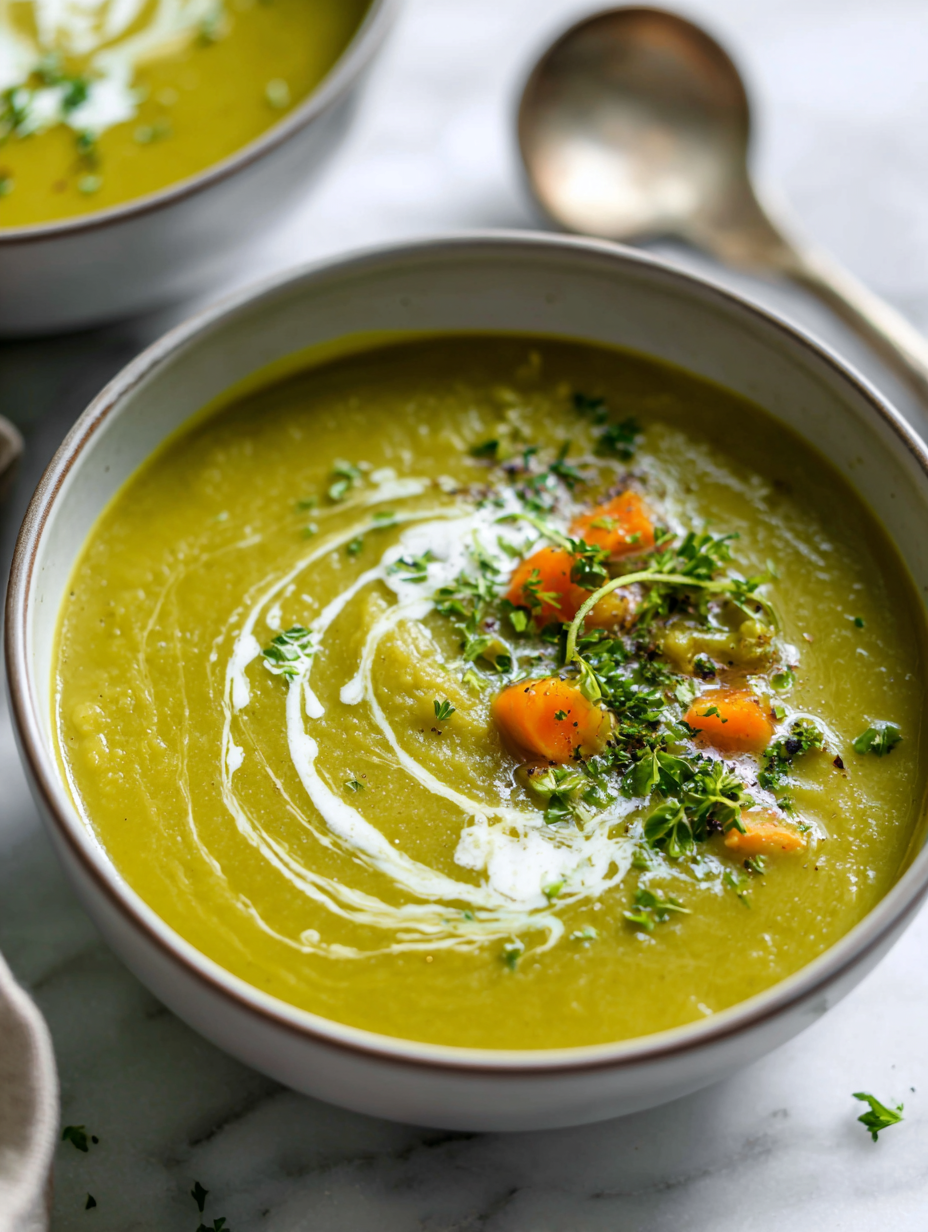
- Peas are fully broken down and soup is creamy and thick.
- The aroma is smoky, sweet, with hints of garlic and caramelized vegetables.
- The ham hock meat is tender and easily shredded when tested with a fork.
Crockpot Split Pea Soup
Ingredients
Equipment
Method
- Begin by rinsing the split peas under cold water until the water runs clear, then drain thoroughly. Prepare the vegetables by dicing the carrots and onion, and mincing the garlic.
- In a skillet over medium heat, warm the olive oil. Add the diced onion and carrots, sautéing until they soften and develop a slight caramelization, about 5 minutes. Then, stir in the minced garlic and cook for another minute until fragrant.
- Transfer the sautéed vegetables to the slow cooker. Add the rinsed split peas, smoked ham hock (or skip for vegetarian), vegetable broth, bay leaf, salt, pepper, and smoked paprika if using. Stir to combine all ingredients evenly.
- Cover the slow cooker and set it to low. Let it cook for 6 to 8 hours, until the peas are soft, breaking down into a creamy, velvety texture, and the aroma of smoky ham fills the air.
- Once cooked, carefully remove the ham hock, shred the meat into bite-sized pieces, and discard the bones. Return the shredded ham to the soup and stir well. Remove the bay leaf.
- Squeeze fresh lemon juice into the soup to brighten the flavors, and taste for seasoning, adjusting with more salt, pepper, or lemon if needed.
- Garnish with chopped fresh parsley or thyme for a fragrant, colorful finish. Ladle the steaming, creamy soup into bowls and serve hot, enjoying the comforting aroma and hearty texture.
Tips for perfect crockpot split pea soup
- Bolded mini-head: Use a splash of apple cider vinegar at the end to brighten up the earthy peas.
- Bolded mini-head: Sauté vegetables until just caramelized for a sweeter, richer flavor before adding to the slow cooker.
- Bolded mini-head: Keep an eye on the peas; if they aren’t breaking down after 6 hours, extend cooking time in 30-minute increments.
- Bolded mini-head: For a creamier texture, use an immersion blender directly in the slow cooker, but be careful not to over-blend.
- Bolded mini-head: Add a smoked paprika pinch when sautéing vegetables for an extra smoky kick that enhances the ham flavor.
- Bolded mini-head: If the soup thickens too much, stir in hot broth or water to loosen it without diluting the flavor.
- Bolded mini-head: For a burst of freshness, garnish with chopped parsley or thyme just before serving, adding a fragrant, vibrant note.
Common mistakes and how to fix them
- FORGOT to check peas for doneness → cook longer if peas are still firm.
- DUMPED all ingredients at once → sauté vegetables first for better flavor.
- OVER-TORCHED the soup → stir regularly and reduce heat if it starts to brown.
- MISSED removing foam → skim the foam off for clearer, cleaner soup.
Quick fixes and pantry swaps
- When peas stay firm → splash hot broth and cook longer for creamy texture.
- If soup is too thick → stir in a quick splash of water or broth to loosen.
- Splash in a dash of vinegar if flavor dulls after cooking.
- Patch burnt spots by removing them immediately and stirring in extra broth.
- Shield delicate peas from overcooking by reducing heat and checking frequently.
Prep, store, and reheat tips
- Prep the vegetables and rinse the split peas the night before. The house will smell faintly sweet and earthy, making morning prep a breeze.
- Store prepped ingredients in airtight containers in the fridge for up to 24 hours. The aroma stays fresh and inviting.
- Cooked soup keeps well in the fridge for 3–4 days; reheat gently on the stove until steaming and the aroma is warm and comforting.
- Freeze leftover soup in individual portions for up to 3 months. Thaw overnight in the fridge, then reheat until bubbling and fragrant.
- Reheating will deepen the flavors; expect a slightly richer aroma and a creamier texture after sitting. Adjust with a splash of broth if too thick.
Top questions about crockpot split pea soup
1. Can I use canned split peas?
Use dried split peas for the best texture and flavor. Canned peas are too soft and won’t break down as well.
2. Can I make this vegetarian?
Yes, you can skip the ham hock for a vegetarian version. Add smoked paprika or a splash of soy sauce for smoky depth.
3. How long should I cook it?
Cooking time varies; start checking at 6 hours on low. The peas should be soft and the soup thickened.
4. My soup is too thick, what do I do?
If the soup is too thick, stir in hot broth or water until it reaches your desired consistency.
5. How long does it last?
Yes, it can be stored in the fridge for up to 4 days or frozen for 3 months. Reheat until steaming and fragrant.
6. How do I reheat leftovers?
Add lemon juice or vinegar at the end to brighten the flavors. Reheat gently, stirring often to prevent sticking.
7. Why is my soup cloudy?
Skim off foam during cooking to keep the soup clear. Stir occasionally and check for doneness after 6 hours.
8. Can I use other vegetables?
Use fresh or frozen diced carrots and onions. They soften into a sweet, fragrant base during slow cooking.
9. What about adding acid?
Add a splash of apple cider vinegar or lemon juice at the end for a fresh, bright flavor contrast.
10. Can I skip sautéing vegetables?
Yes, sauté the vegetables first for a richer, caramelized flavor before slow cooking. It adds depth to the soup.
This crockpot split pea soup brings a sense of grounded comfort, especially on days when the air feels a bit too crisp. The slow simmer unlocks deep, smoky flavors that linger long after the last spoonful. It’s a reminder that simple ingredients, treated right, can create something truly nourishing.
Making this soup feels like an act of quiet rebellion against the rush—an intentional pause to enjoy honest, unpolished flavors. It’s not just about the meal; it’s about carving out a small moment of peace with each bowl, a bit of warmth that sticks with you long after the pot is empty.