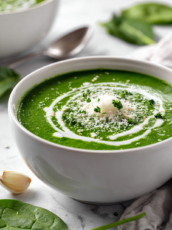
This crockpot lentil stew is a game-changer for weeknights when I want something warm and filling without the fuss. I love how the slow cooker works its magic, turning humble lentils into a thick, comforting bowl that feels like a warm hug. It’s a dish that’s easy to throw together in the morning and forget about until dinner.
What makes this recipe special isn’t just how simple it is, but how adaptable it feels. I’ve added in whatever vegetables I have lying around—carrots, spinach, even a splash of tomato—and it always turns out satisfying. It’s like a little pantry miracle, transforming everyday ingredients into something soulful and nourishing.
Some days I just crave that honest, earthy flavor of lentils simmered to perfection. This stew hits that spot while also giving me a break from standing over the stove. Plus, the aroma that fills the house as it cooks—rich, smoky, with a hint of garlic—is enough to make anyone smile before even the first spoonful.
This recipe is all about turning a humble, everyday pantry staple into a cozy, soul-warming meal with minimal fuss. I love how the slow cooker transforms simple lentils into something rich and hearty, almost like a comforting hug on a busy day. It’s perfect for those moments when I want a nourishing dish without standing over the stove for hours.
The story behind this recipe
- This recipe was born out of a hectic week when I needed something nourishing that I could set and forget. I remember tossing in a handful of lentils and whatever vegetables I had in the fridge, curious to see how they’d turn out after hours of slow cooking. The smell that wafted through the house—rich, smoky, with a garlic undertone—was a surprise I didn’t expect. That moment made me realize how magical simplicity can be, especially when the slow cooker does all the heavy lifting.
- I once made this on a freezing winter night, and the warm aroma alone made the cold outside seem farther away.
- This stew reminds me of my grandma’s kitchen—simple ingredients, honest flavors, no fuss.
Ingredient breakdown: key components
- Brown lentils: I love how they absorb flavors and become tender, almost creamy. If you prefer a firmer bite, reduce the cooking time slightly.
- Carrots: Their natural sweetness complements the earthiness of the lentils. If you want more depth, toss in a pinch of smoked paprika.
- Vegetable broth: I use homemade when I can, but store-bought works just fine. For a richer flavor, try a splash of balsamic vinegar at the end.
- Onion & garlic: These aromatics form the base of the stew. Sauté them beforehand for a deeper, caramelized flavor, or toss them in raw for a milder taste.
- Tomatoes (canned or fresh): They add brightness and a touch of acidity. For a smokier note, add a dash of chipotle or smoked paprika.
- Spinach or kale: I add greens towards the end for a vibrant, fresh contrast. If using frozen greens, include them earlier to ensure they fully wilt.
- Seasonings: Salt, pepper, and a bay leaf are my staples. Feel free to experiment with cumin or thyme for extra warmth and aroma.
Spotlight on key ingredients
Lentils:
- Brown lentils: They become soft and creamy, soaking up flavors and offering a hearty texture. If you prefer a firmer bite, reduce cooking time slightly.
- Green lentils: They hold their shape better, providing a slightly chewy texture. Great if you want more bite and less mush.
Vegetables:
- Carrots: Their natural sweetness deepens as they cook, releasing a faintly earthy aroma. Roast or sauté for extra caramelization if you like a richer flavor.
- Onions: They mellow and sweeten, developing a golden hue and fragrant aroma. Chop finely for a subtle background or larger for more pronounced bites.
Notes for ingredient swaps
- Dairy-Free: Use coconut milk instead of cream for a rich, slightly sweet flavor that complements the earthy lentils.
- Gluten-Free: Ensure broth is labeled GF, or swap with water plus a splash of soy or tamari for depth.
- Vegetarian/Vegan: Stick to vegetable broth and skip any bacon or meat-based additions. Mushrooms can add umami instead.
- Low-Sodium: Opt for unsalted broth and season gradually, tasting as you go to avoid over-salting.
- Spice Variations: Swap cayenne for smoked paprika or cumin to tweak the heat and smoky notes to your liking.
Equipment & Tools
- 6-quart slow cooker: To cook the stew evenly over hours without supervision.
- Large knife: For chopping vegetables precisely.
- Cutting board: To provide a stable surface for chopping.
- Wooden spoon: For stirring the ingredients during cooking.
- Skillet: To sauté aromatics for enhanced flavor.
Step-by-step guide to lentil stew
- Gather your equipment: a 6-quart slow cooker, a large knife, a cutting board, and a wooden spoon for stirring.
- Rinse 1 ½ cups of dried brown lentils under cold water until the water runs clear to remove any dirt or debris.
- Chop 1 large onion into small dice, about ½-inch pieces, and mince 3 cloves of garlic finely.
- Dice 2 carrots into small cubes, roughly the size of lentils, so they cook evenly and soften at the same rate.
- In a skillet over medium heat (about 160°C / 320°F), sauté the onion and garlic in a splash of oil until fragrant and translucent, about 3-4 minutes. This deepens their flavor.
- Transfer the sautéed aromatics to the slow cooker. Add the rinsed lentils, diced carrots, 1 can (14 oz) of diced tomatoes (with juices), and 4 cups of vegetable broth.
- Season with 1 teaspoon of salt, ½ teaspoon of black pepper, and a bay leaf. Stir everything together thoroughly.
- Set the slow cooker to low and cook for 6-8 hours. During this time, the lentils will become tender and the flavors will meld beautifully.
- Check the stew after 6 hours. The lentils should be soft and breaking apart slightly, and the broth should be thickening.
- Once cooked, remove the bay leaf. Stir in 2 cups of chopped spinach or kale if you like, and cook on high for another 15 minutes until greens wilt.
- Taste and adjust seasoning if needed—more salt or a squeeze of lemon for brightness.
- Let the stew rest for about 10 minutes before serving. This helps flavors settle and makes it easier to ladle.
Once the stew is ready, remove the bay leaf and stir in fresh greens if using. Let it sit off heat for 10 minutes to allow flavors to meld. Serve hot, with crusty bread or a sprinkle of fresh herbs for added aroma.
How to Know It’s Done
- Lentils are tender and breaking apart, with no hard cores.
- Stew has thickened slightly, coating the spoon evenly.
- Aromas of garlic, tomato, and spices are rich and inviting.
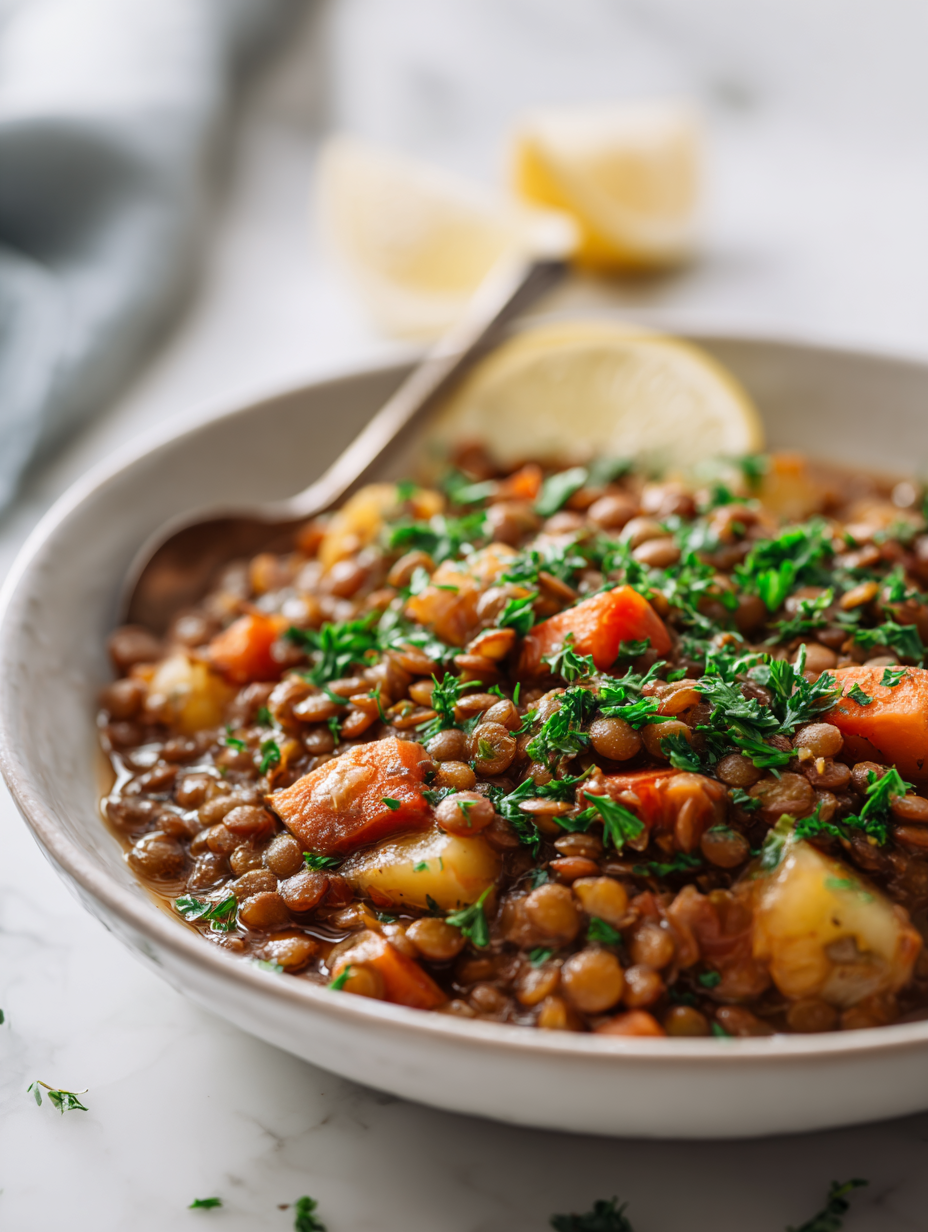
Crockpot Lentil Stew
Ingredients
Equipment
Method
- Rinse the lentils thoroughly under cold water until the water runs clear, then set aside.
- Finely chop the onion and dice the carrots into small cubes for even cooking.
- In a skillet over medium heat, splash in a bit of oil and sauté the chopped onion and minced garlic until fragrant and golden, about 3-4 minutes. The aroma should be rich and savory.
- Transfer the sautéed aromatics to your slow cooker. Add the rinsed lentils, diced carrots, diced tomatoes with their juices, and vegetable broth. Stir everything together so flavors start to meld.
- Season the mixture with salt, pepper, and tuck in a bay leaf. Give it a good stir to distribute the seasonings evenly.
- Cover the slow cooker and set it to low. Let it cook for 6 to 8 hours until the lentils are tender and the stew has thickened, filling your house with a warm, smoky aroma.
- About 15 minutes before serving, stir in the chopped greens. Cover again and cook on high until the greens wilt and turn vibrant, about 10-15 minutes.
- Remove the bay leaf, give the stew a gentle stir, and taste. Adjust seasoning if needed—perhaps a squeeze of lemon or more salt.
- Serve your comforting lentil stew hot, with crusty bread or a sprinkle of fresh herbs, and enjoy the hearty, earthy flavors.
Cooking Tips & Tricks
- BOLD THE START: Begin by sautéing onions and garlic until fragrant and golden—this layer of flavor can’t be skipped.
- SEASON IN STAGES: Add salt gradually during cooking; it helps the lentils absorb flavors without becoming overly salty.
- LENTIL CHECK: Test for doneness around 6 hours—lentils should be soft and slightly breaking apart, but not mushy.
- GREEN GARNISH: Stir in greens at the end and cook for just 10-15 minutes—greens should wilt but stay vibrant.
- LID ON: Keep the lid on during cooking to trap steam and flavors—lifting it too often releases precious aroma and moisture.
- SPICE VARIATION: For a smoky twist, add a pinch of smoked paprika or a dash of cumin—adjust to your taste.
- FINAL TOUCH: Before serving, a squeeze of lemon brightens the stew’s earthy richness and enhances all the flavors.
Common mistakes and how to fix them
- FORGOT to rinse lentils → They may cook unevenly or stay grainy. Rinse thoroughly before cooking.
- DUMPED in all ingredients at once → Build flavors by sautéing aromatics first for deeper taste.
- OVER-TORCHED the stew → Stir occasionally and reduce heat if you see sticking or scorching.
- USED too much salt → Season gradually and taste as you go to avoid oversalting.
Quick fixes and pantry swaps
- When stew is too thick, splash in hot water and stir gently to loosen textures.
- If the stew tastes flat, add a splash of vinegar or lemon juice for brightness.
- Splash some soy sauce or miso to deepen umami if missing flavor depth.
- Patch overcooked lentils with a little broth and cook on low for 10 minutes.
- Shield over-salted stew with a dollop of plain yogurt or a squeeze of fresh lemon juice.
Prep, store, and reheat tips
- Chop vegetables like carrots and onions ahead of time to save cooking time; store in airtight containers in the fridge for up to 2 days. The fresh aroma of chopped produce makes the prep feel like a small victory.
- Rinse and pre-measure lentils the night before; they’ll absorb water and soften slightly, speeding up cooking and reducing fuss. Just a quick rinse under cold water, and they’re ready to go.
- Store any leftovers in a sealed container in the fridge for up to 4 days. The stew’s flavors deepen overnight, becoming even more comforting and savory, with a rich, thick consistency.
- Reheat gently on the stove over low heat, stirring occasionally. The aroma will intensify, and the lentils will rehydrate, giving you that hearty, soul-warming smell and a tender bite. Add a splash of water if it thickens too much.
FAQs for Crockpot Lentil Stew
1. Should I soak the lentils first?
Use dry, rinsed lentils for best texture. Soaking isn’t necessary but can reduce cooking time slightly.
2. Can I pre-soak the lentils overnight?
Yes, you can. It may reduce cooking time by about 30 minutes. Rinse well before adding.
3. How do I know when the stew is done?
Stir the stew and check for tenderness. Lentils should be soft and starting to break apart, with a thick, hearty broth.
4. When should I add the greens?
Add greens like spinach or kale at the end for bright flavor and vibrant color. They wilt quickly in the hot stew.
5. What if my stew is too thick?
If the stew is too thick, stir in hot water or broth until it reaches your preferred consistency.
6. How long does leftovers last?
Storing in an airtight container in the fridge for up to 4 days keeps it fresh. Reheat gently on the stove.
7. How should I reheat the stew?
Reheat in a pot over low heat, stirring occasionally. A gentle simmer restores moisture and aroma.
8. Why does my stew taste flat after reheating?
Adjust seasoning after reheating. A squeeze of lemon or splash of vinegar brightens the flavors.
9. The stew is too thick after storage. What do I do?
Add a splash of broth or water and cook on low if the stew has thickened too much after cooling.
10. Can I use different broths?
Yes, you can substitute vegetable broth with chicken or beef broth for a richer, deeper flavor, but it will change the dish’s profile.
This crockpot lentil stew is one of those dishes that quietly becomes a staple. The way it fills the house with a smoky, earthy aroma makes it feel like a warm hug on a busy day. It’s honest, simple, and deeply satisfying, especially when you need comfort without fuss.
In a world that moves fast, this stew reminds me to slow down and appreciate the small, nourishing moments. It’s a dish that’s versatile enough to adapt to whatever you have on hand, making it a real pantry hero. Sometimes, the simplest meals are the most memorable.