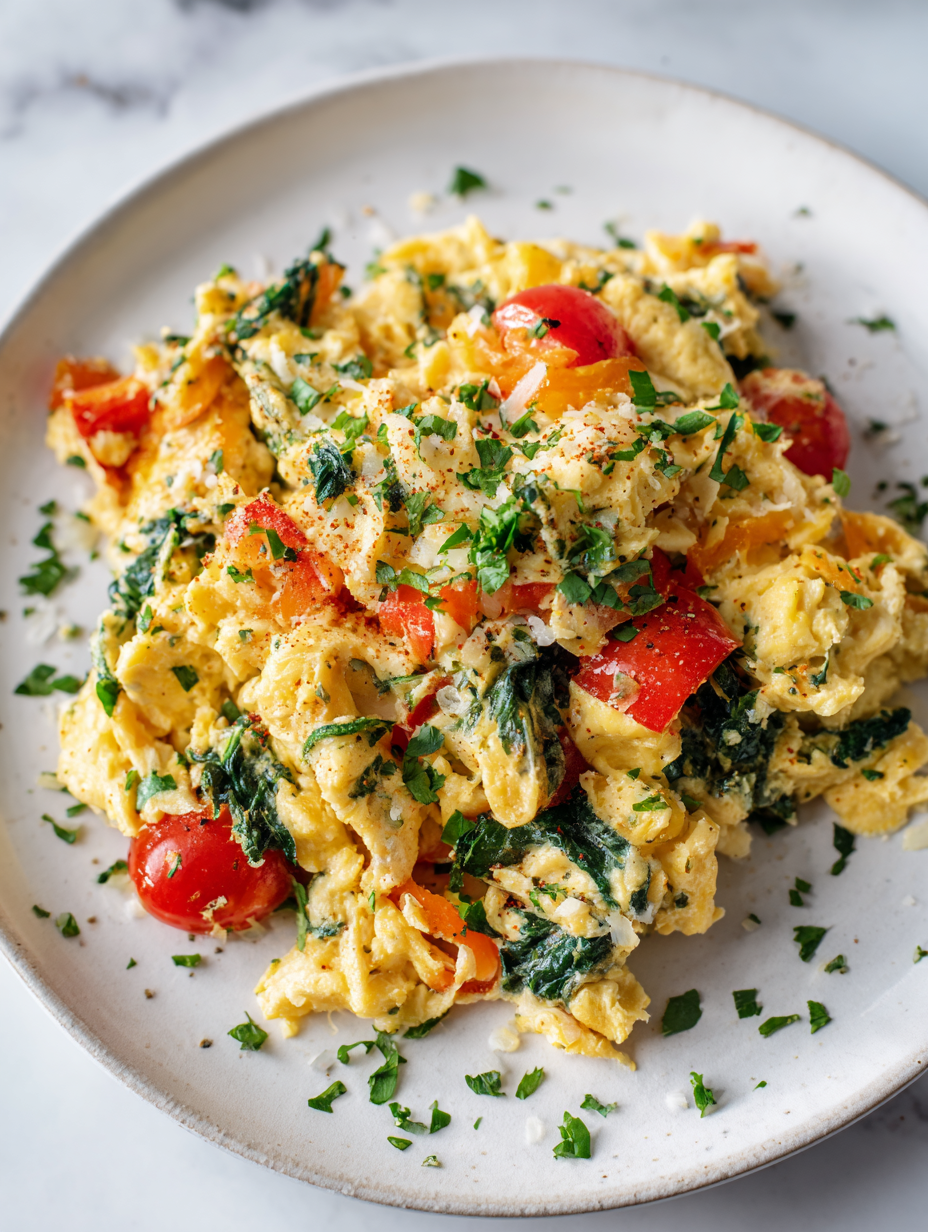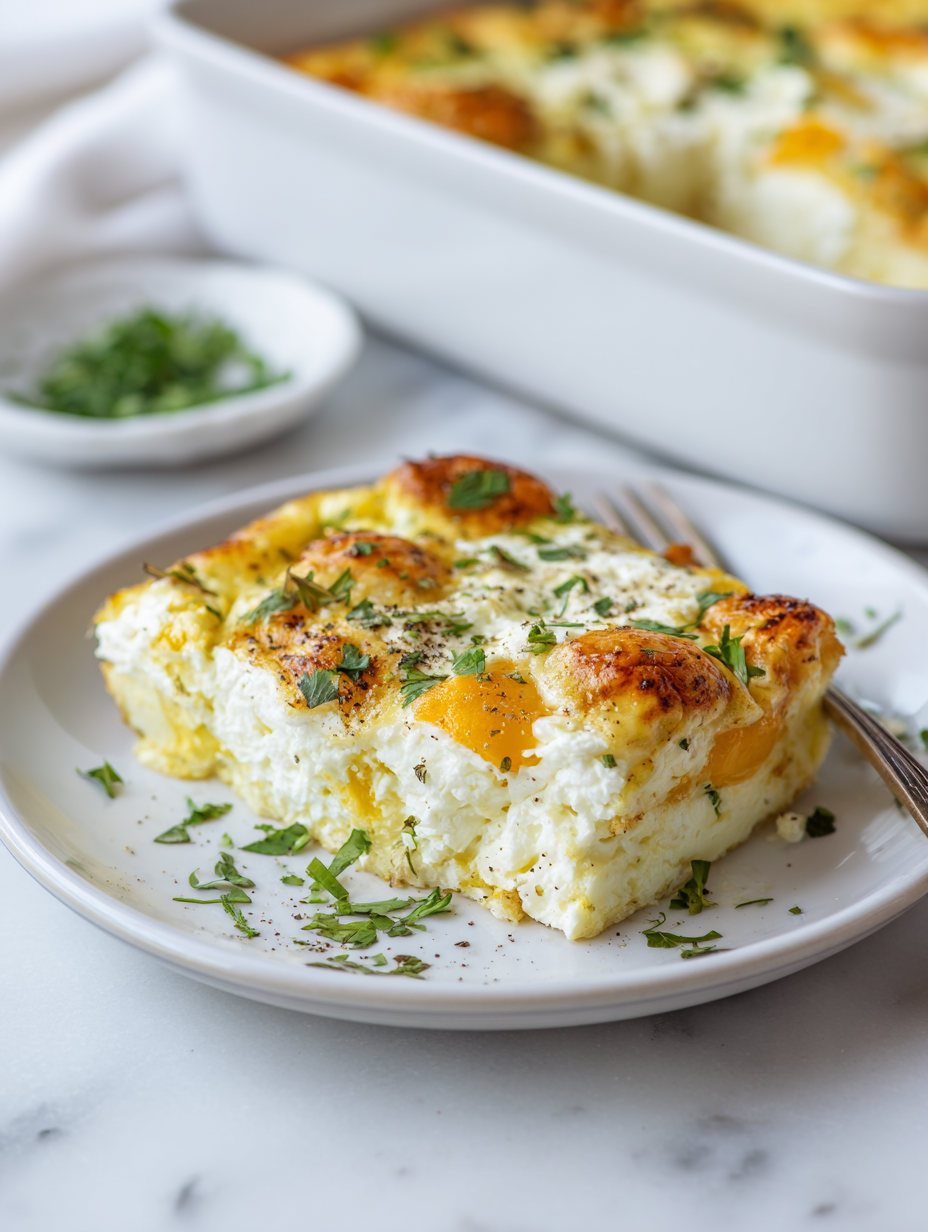
Egg whites often get the short end of the stick, but when used right, they can be the star of a meal. This wrap is my go-to for a quick, light bite that still feels satisfying. It’s flexible enough to hold anything from breakfast fillings to spicy veggies or even sweet spreads.
What I love about this recipe is how forgiving it is. No fancy ingredients, no complicated steps. Just a simple, protein-rich base that you can customize in a million ways — perfect for busy mornings or post-gym refuels when you want something nourishing without the fuss.
Plus, there’s a certain satisfaction in rolling up a warm, fluffy wrap that’s bursting with flavor. It’s a little reminder that you don’t need heavy carbs or greasy carbs to feel full—just good, honest ingredients and a bit of kitchen intuition.
Focusing on the versatility of egg whites, this recipe explores how a simple, protein-packed wrap can be transformed into savory, sweet, or even spicy handheld meals, emphasizing its potential for quick, guilt-free nutrition during busy mornings or post-workout refuels.
Egg Whites as a Blank Canvas
- Using egg whites feels like giving myself a chance to lighten up without sacrificing flavor.
- I find a strange comfort in how versatile and forgiving this wrap can be, no matter what I fill it with.
- There’s a quiet pride in turning simple ingredients into something satisfying, especially when it’s quick and healthy.
- This recipe reminds me that sometimes, less really is more—just eggs, a pinch of salt, and a good pan.
Egg Whites as a Blank Canvas
This recipe was born out of a rushed morning when I needed a quick, high-protein breakfast that wouldn’t weigh me down. I started experimenting with egg whites after realizing how easily they fold into a light, flexible wrap that can hold anything from savory fillings to sweet spreads. It’s become my little kitchen secret for days when I want something nutritious and fuss-free, yet satisfying enough to power through the morning. There’s something about rolling a warm, fluffy egg white wrap that feels like a small victory before the day even begins.
Trivia and Historical Tidbits
- Egg white wraps gained popularity in health-focused kitchens as a low-calorie, high-protein alternative to traditional flour tortillas.
- In the 1950s, egg whites started being used more creatively as a versatile ingredient in light, airy dishes and wraps.
- Chefs and home cooks alike have long appreciated egg whites for their ability to create delicate textures in wraps and omelets.
Ingredient breakdown: key components
- Egg whites: I like cracking eggs and carefully separating the whites—it’s satisfying to see that clear, gooey white slide into the bowl. You can swap in liquid egg whites from a carton if you prefer, but fresh has a lighter, silkier texture.
- Salt: Just a pinch enhances the delicate flavor of the whites, making the wrap taste brighter. If you’re watching sodium, reduce or omit, but it really helps the structure.
- Pepper: Freshly ground pepper adds a subtle heat and complexity, especially if you like a little bite in your wrap. Feel free to skip or substitute with paprika for smoky notes.
- Oil or non-stick spray: A light coating prevents sticking and helps with even cooking. I prefer a neutral oil or spray, but butter works if you want a richer aroma—be mindful of splatter.
- Optional herbs/spices: Chopped chives, dill, or a pinch of cumin can elevate the flavor. Use what you love, but don’t overdo it—these whites are delicate and need just a hint of seasoning.
- Fillings: Think beyond just eggs—avocado, spicy salsa, or even a smear of cream cheese can turn this simple wrap into something special. Keep fillings light so the wrap doesn’t get soggy.
- Lemon juice: A squeeze brightens the whites and keeps them tender. Use fresh lemon for that zesty aroma and a slight tang that cuts through richness.
Spotlight on key ingredients
Egg whites:
- They’re delicate, almost translucent, and jiggle softly when cooked. Their behavior during cooking is forgiving—they set quickly but can overcook if not watched.
- When whipped or cooked properly, they develop a silky, tender texture that’s almost airy. Watch for a slight shimmer and a firm, but soft consistency.
Salt:
- It’s the quiet enhancer—just a pinch brightens the whites and helps them hold together. During cooking, it subtly pulls out their natural sweetness and preserves moisture.
- When added properly, it dissolves into the whites, making the wrap flavor more rounded. Too much can make it overly salty or tough, so measure carefully.
Notes for ingredient swaps
- Dairy-Free: Swap cow’s milk-based cheese for vegan cheese or omit altogether. Expect a slightly different melt and richness.
- Gluten-Free: Use gluten-free flour or starch to make the wrap more pliable, but be aware it might be a tad more fragile.
- Low-Sodium: Reduce salt or use a salt substitute; the flavor will be gentler, so boost herbs or spices instead.
- Fresh Herbs: Substitute fresh herbs with dried ones—use half the amount, as dried herbs are more concentrated.
- Flavor Boost: Add a dash of smoked paprika or cayenne to the egg whites for a smoky or spicy kick that’s subtle but noticeable.
- Oil Replacement: Use avocado oil or light olive oil instead of neutral oils—these add a faint fruity aroma and extra richness.
- Vegan Option: Use aquafaba (chickpea brine) instead of egg whites—it’s a different texture but works well in a pinch.
Equipment & Tools
- Non-stick skillet: To cook the egg whites evenly without sticking.
- Whisk or fork: To beat the whites until frothy and light.
- Spatula: To flip or lift the wrap carefully.
- Small bowl: To mix and whisk the egg whites.
Step-by-step Egg White Wrap Guide
- Equipment & Tools: Gather a non-stick skillet, a whisk or fork, a spatula, and a small bowl for mixing.
- Crack 3-4 egg whites into the bowl, add a pinch of salt and pepper, and whisk until lightly frothy, about 30 seconds.
- Heat the skillet over medium-low (about 150°C / 300°F). Lightly spray with oil or butter to prevent sticking.
- Pour the egg whites into the skillet, tilting to spread evenly into a thin, round layer about 20-25 cm (8-10 inches) diameter.
- Cook for 2-3 minutes. Watch for edges to turn opaque and slightly golden; the center should look set but still moist.
- Using a spatula, gently lift an edge to check for golden-brown color. Carefully flip if needed, or proceed with an open face if the top is set.
- a. For a flip: turn the wrap carefully and cook for another 30 seconds, until lightly golden on both sides.
- b. For no flip: cover the skillet with a lid for 1 minute to help the top set without flipping.
- Remove the egg white wrap from the skillet and let it rest on a plate for 30 seconds to settle and avoid tearing.
- Finish by filling with your choice of ingredients, then roll or fold gently. Serve warm or at room temperature.
Let the wrap rest for 30 seconds off the heat. Fill while warm, then roll gently. Serve immediately or store for later.
How to Know It’s Done
- Edges are golden and slightly crisp, with a firm, yet tender texture.
- Center is opaque and no raw egg whites remain; the wrap holds together without breaking.
- The surface is smooth with no sticky or runny patches, indicating even cooking.
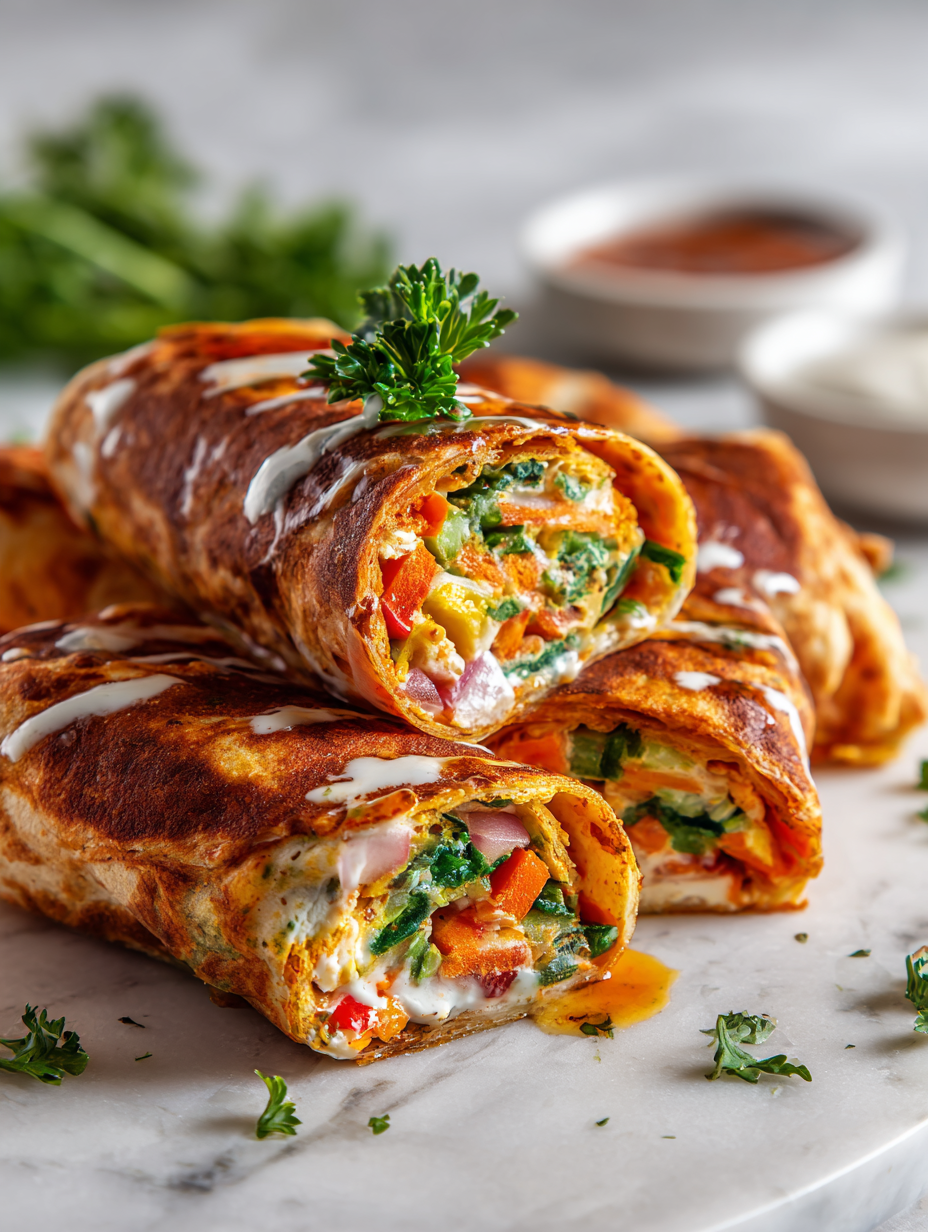
Egg White Wraps
Ingredients
Equipment
Method
- Crack the egg whites into a small bowl, then add salt and pepper. Whisk until the mixture is frothy and slightly bubbly, about 30 seconds.
- Heat the skillet over medium-low heat until it’s warm and shimmering. Lightly spray with oil or non-stick spray to prevent sticking.
- Pour the egg whites into the skillet, tilting it gently to spread the mixture into an even, thin circle about 20-25 cm (8-10 inches) in diameter. You should hear a soft sizzle as it hits the pan.
- Cook for 2-3 minutes, watching as the edges turn opaque and slightly golden. The surface should look set but still moist in the center.
- Use a spatula to gently lift an edge of the wrap and check for golden-brown color. If it’s ready to flip, carefully turn it over.
- Cook for another 30 seconds on the second side until lightly golden. For a softer wrap, you can skip flipping and cover with a lid to help set the top.
- Gently transfer the cooked wrap onto a plate and let it rest for 30 seconds, which helps it settle and prevents tearing when filling.
- Fill the wrap with your favorite ingredients—such as avocado, spicy salsa, or cream cheese—then roll or fold it gently to enclose the fillings.
- Serve immediately while warm, or let it cool slightly for a portable snack. Enjoy the tender, delicate texture and customizable flavor!
Pro Tips for Perfect Egg White Wraps
- Use a non-stick skillet for easy flipping and a tender wrap.
- Whisk egg whites vigorously until frothy to ensure a light, airy texture.
- Cook over medium-low heat—too hot and the whites will brown too quickly, risking toughness.
- When edges turn golden and firm, gently lift to check for doneness; avoid overcooking.
- Cover with a lid for 1 minute if flipping feels tricky—this helps the top set evenly.
- Rest the wrap 30 seconds off heat before filling—this prevents tearing and makes rolling easier.
- For a fluffier wrap, add a tiny splash of lemon juice to the whites before cooking.
Common mistakes and how to fix them
- FORGOT to heat the pan properly → Preheat until it shimmers before pouring whites.
- DUMPED the whites in cold → Use medium-low heat; cold whites cause uneven cooking.
- OVER-TORCHED the edges → Remove when edges turn golden and set, not dark brown.
- SKIPPED resting time → Let the wrap rest 30 seconds to settle and prevent tearing.
Quick Fixes and Pantry Swaps
- When whites look dull, splash a few drops of lemon juice for brightness.
- If sticking occurs, immediately lift edges and spray with more oil before flipping.
- DUMPED too much salt? Rinse the whites lightly and start fresh with less salt.
- When whites turn rubbery, lower heat and cover to gently finish cooking.
- Splash cold water on a burnt pan’s surface to lift stubborn bits and refresh the surface.
Prep, store, and reheat tips
- Prepare the egg whites ahead by whisking with salt and pepper; keep in an airtight container for up to 24 hours in the fridge, where they stay light and airy.
- Cook the wraps in advance and store them layered with parchment paper in a sealed container for up to 2 days; reheat briefly in a skillet until warm and slightly crisp.
- Egg white wraps are best enjoyed fresh, but if refrigerated, they’ll keep for 1-2 days. The texture may become a bit firmer—warm gently to revive softness.
- For reheating, microwave on medium power for 15-20 seconds or reheat in a skillet over low heat until just warm, watching for a slight shimmer and soft texture.
Top questions about egg white wraps
1. Can I use carton egg whites instead of fresh?
Use fresh egg whites for the best texture; carton whites work in a pinch but might be a bit more watery.
2. How do I know when the egg whites are cooked enough?
Cook over medium-low heat until the edges are golden and set, about 2-3 minutes; avoid high heat to prevent burning.
3. Can I add flavor to the whites while cooking?
Yes, adding a pinch of lemon juice or vinegar can help stabilize the whites and keep them tender.
4. What’s the best pan for making these wraps?
Use a non-stick skillet and spray or oil lightly to prevent sticking and tearing when flipping.
5. My whites are too runny or too firm, how fix this?
If the whites are too runny, reduce the heat and cook a little longer; if too firm, add a splash of water and cover briefly.
6. Can I make the egg whites in advance?
Yes, you can prepare the egg whites ahead, store covered in the fridge for up to 24 hours, then whisk briefly before cooking.
7. What flavor additions work well in egg whites?
Add herbs like chives or dill for brightness, or spices like paprika for a smoky twist—just a pinch to keep whites tender.
8. Why does my wrap tear when I roll it?
If the wrap tears when rolling, let it rest for 30 seconds off heat before filling, then roll gently.
9. How do I reheat leftover wraps without drying them out?
Reheat in a skillet over low heat for 1-2 minutes until warm and slightly crispy, or microwave briefly until steaming.
10. Any tips for flipping the egg whites without breaking them?
Use a spatula to lift and flip gently; don’t rush the process—patience ensures a tender, even wrap.
This egg white wrap isn’t just a quick fix; it’s a reminder that simple ingredients can surprise you. It’s perfect for those mornings when you want something light but still crave flavor. Plus, it’s a blank canvas that invites endless customization.
When I make these, I’m struck by how satisfying it is to turn a handful of whites into something so versatile. It’s a small, honest pleasure that’s easy to come back to, especially when you want a nutritious, satisfying bite without the fuss.